
Chemistry
LiFePO4LiFePO4 cells with an integrated battery-management system.Lithium & ESS / Energy storage
BESS Manufacturer in India for Lithium Energy Storage
Fujitronix designs and manufactures power-backup systems in India and publishes LiFePO4 ESS platforms for residential, commercial, solar and backup applications.
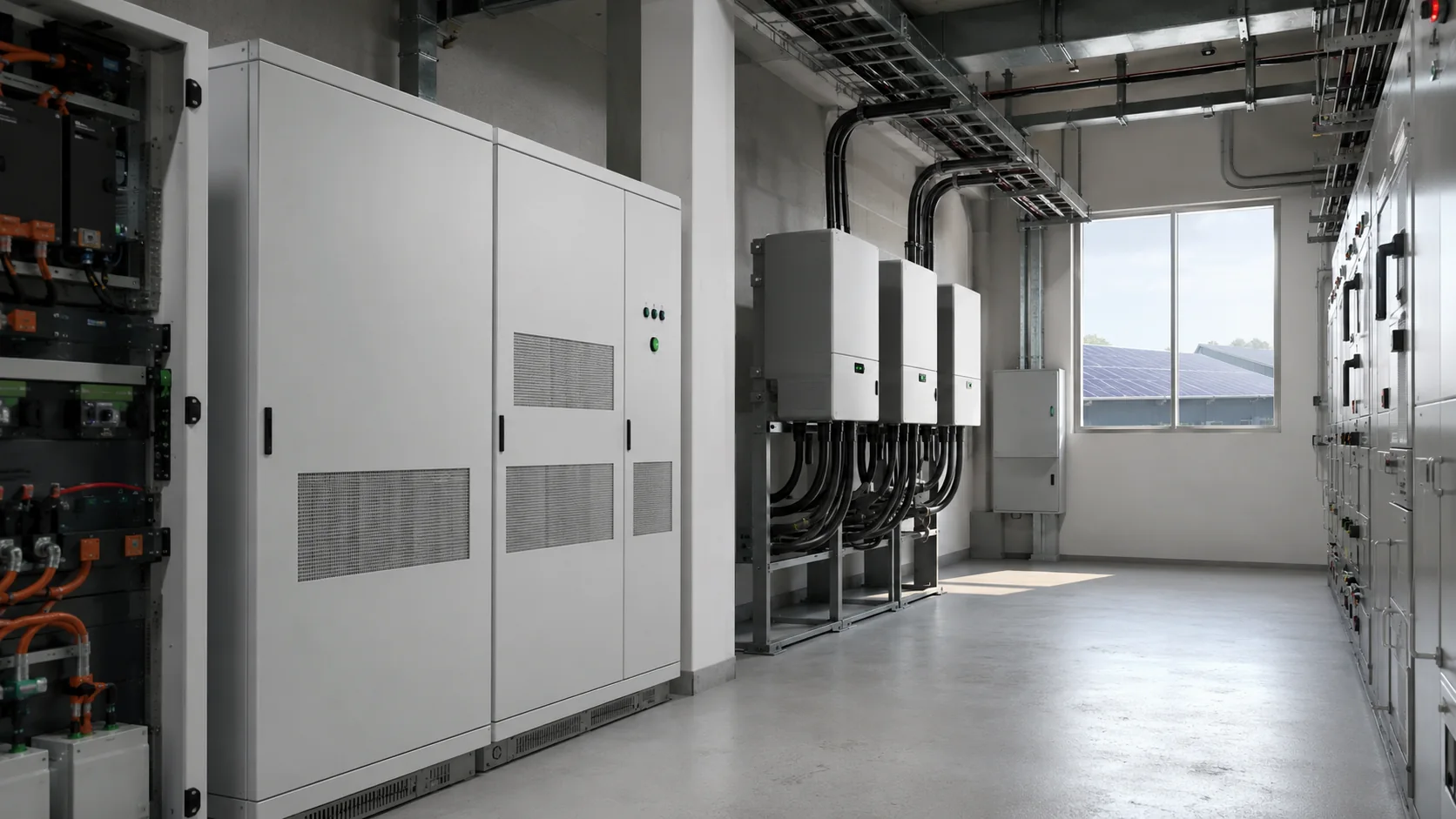
01Pune manufacturing unit
02LiFePO4 ESS range
03BMS-managed protection
04Solar-ready options
Manufacturer check
Engineering and manufacturing are part of the same evaluation.
Fujitronix lists its manufacturing unit in Pune, Maharashtra and its North India office in Gurugram, Haryana. Manufacturer shortlisting should also verify published technical data, application fit, testing, commissioning scope and lifecycle service.
Request technical sizingLithium-ion energy storage
Fujitronix lithium-ion ESSKey facts
Key facts at a glance.
Classes
5–30 kWh5, 10, 15, 20 and 30 kWh classes. Confirm the current model with us.Energy source
Grid / solarRelevant configurations can store electricity from the grid or compatible renewable sources.Communication
CAN / RS485Communication and Wi-Fi options depend on the selected battery and inverter configuration.Start with the requirement
Evaluate a BESS manufacturer on integration capability, not just battery cells.
Fujitronix designs and manufactures power-backup systems in India and publishes LiFePO4 ESS platforms for residential, commercial, solar and backup applications.
How to select
Choose the right system before you choose the rating.
Energy storage is sized in both power and energy. kW describes how much load the inverter and battery must deliver at a moment; kWh describes how much energy is available over time. Fujitronix publishes LiFePO4 ESS configurations with BMS protection, communication and modular expansion options.
- Critical load in kW
- Required usable energy / runtime
- Daily cycling pattern
- Grid, solar or hybrid charge source
- Inverter compatibility
- Indoor environment and expansion plan
Commercial selection
What changes the final configuration and quote?
Shortlist suppliers on BMS architecture, inverter/PCS compatibility, protections, monitoring, published operating limits, cabinet and thermal design, commissioning support, documentation and service route.
System operation
Balance instantaneous power, stored energy and charge recovery.
An ESS must deliver the peak kW without exceeding inverter or BMS limits, hold enough usable kWh for the required duration and recharge within the available window. Daily solar cycling, occasional backup and peak-support duties create different designs. State the reserve state-of-charge, expected cycles per day and whether the system must support future parallel expansion.
Lifecycle planning
BMS integration and operating temperature protect usable battery life.
The inverter charge profile, CAN/RS485 communication, continuous and peak current limits, cell balancing and isolation should be validated as one system. Keep the battery within its specified temperature and ventilation limits, avoid uncontrolled mixing of modules, and maintain event and state-of-health records so performance changes can be spotted early.
Site planning
Installation planning for bess manufacturer in india.
A lithium ESS is a battery, inverter and controls system installed into a real electrical environment. Battery location, BMS communication, protection, inverter compatibility, solar / grid interface, ambient temperature, isolation and service access should be planned together.
- Usable kWh and peak kW
- BMS / inverter compatibility
- Charge and discharge limits
- Solar / grid interface
- Protection and isolation
- Thermal environment and expansion space
RFQ checklist
What to send before requesting a bess manufacturer in india proposal.
Share the critical-load list, peak kW, required hours, daily cycling expectation, grid/solar/hybrid charging source, inverter preference, installation location, monitoring need and whether future capacity expansion is planned.
Fujitronix approach
A useful proposal should answer more than capacity.
Fujitronix combines requirement review, product selection, manufacturing and lifecycle service. For a useful proposal, share the load schedule, phase, backup objective, site conditions and any monitoring, bypass, battery or integration requirement. The quotation should clearly state the recommended system and what is included.
Buyer & engineering checklist
Four decisions that shape the bess manufacturer in india proposal.
Clear answers at the enquiry stage reduce incorrect sizing, missing accessories and price comparisons between unlike systems.
What is the peak power requirement?
The inverter and battery must meet the highest simultaneous load and any starting surge, measured in kW or kVA.
How much energy is required?
Usable kWh is selected from the critical load, target hours, allowed depth of discharge and system losses.
Is solar part of the system?
Share PV capacity, MPPT/inverter details and the required grid/solar charging behaviour.
Can capacity be expanded later?
Expansion must be planned around compatible modules, BMS limits, inverter capacity and installation space.
Avoid weak specifications
Common mistakes that lead to the wrong quotation.
- 01Buying on Ah without checking battery voltage
- 02Ignoring BMS continuous and peak current
- 03Sizing energy without checking inverter power
- 04Assuming every lithium battery communicates with every inverter
Product + manufacturing evidence
A closer look at the system and the people who build it.
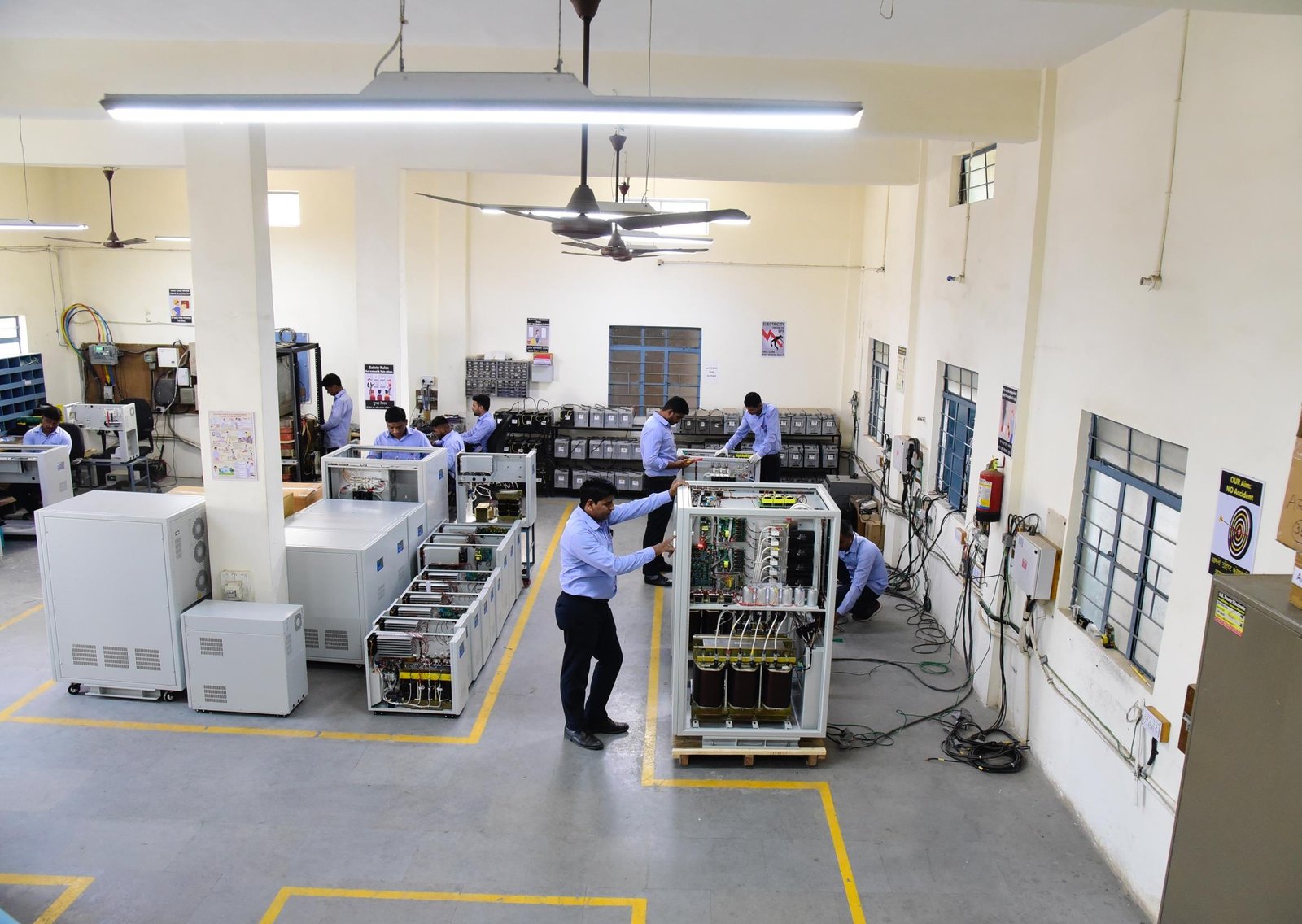
The second image shows the Pune manufacturing or power-electronics environment behind the product range.
Application areas
Where this architecture fits.
Final selection depends on site electrical conditions and the connected load.
01Homes & villas
02Offices & commercial sites
03Clinics & labs
04Telecom / network backup
05Solar hybrid installations
06Security & surveillance systems
Application + product images
See where the requirement appears in the real world.
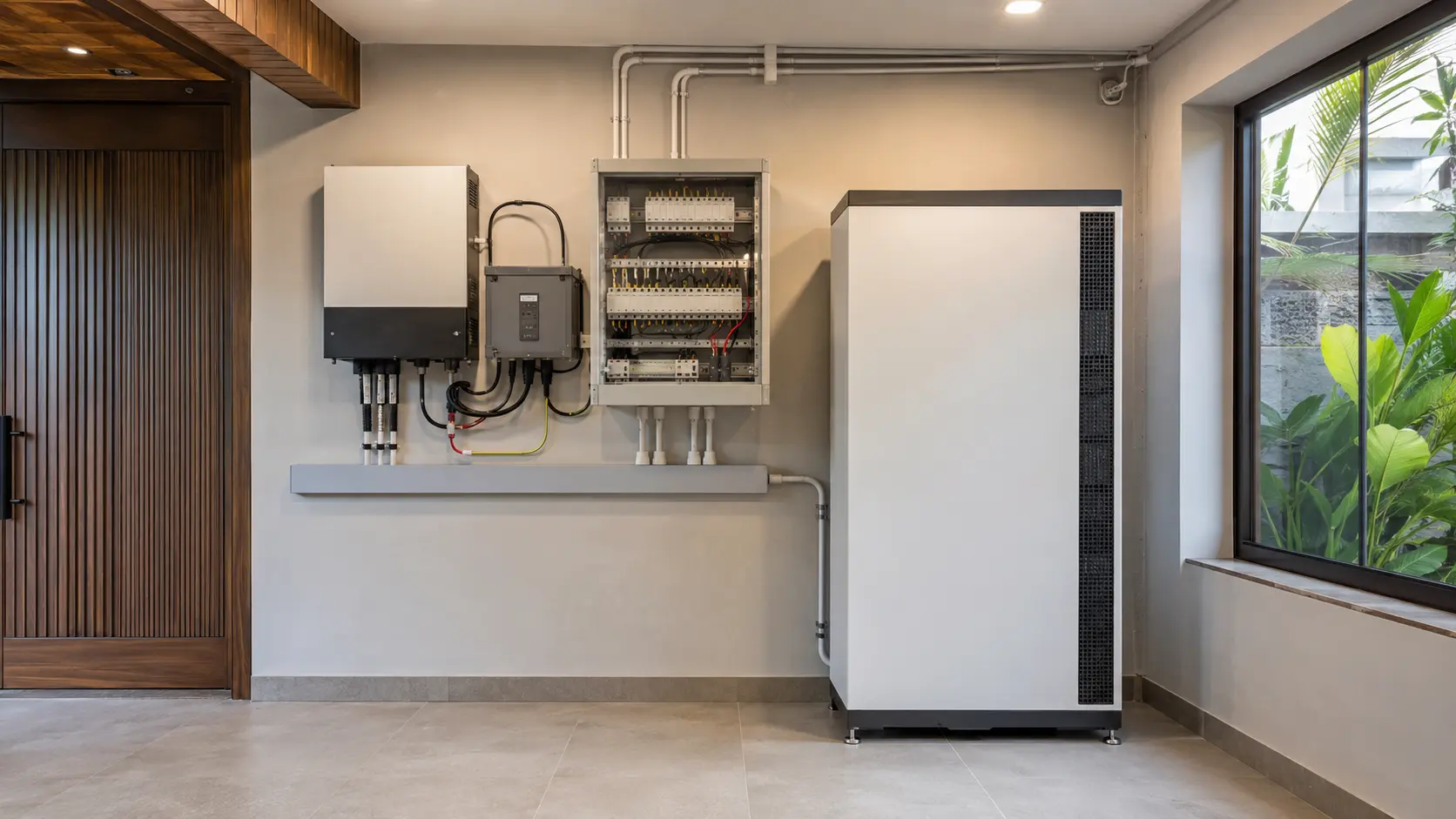
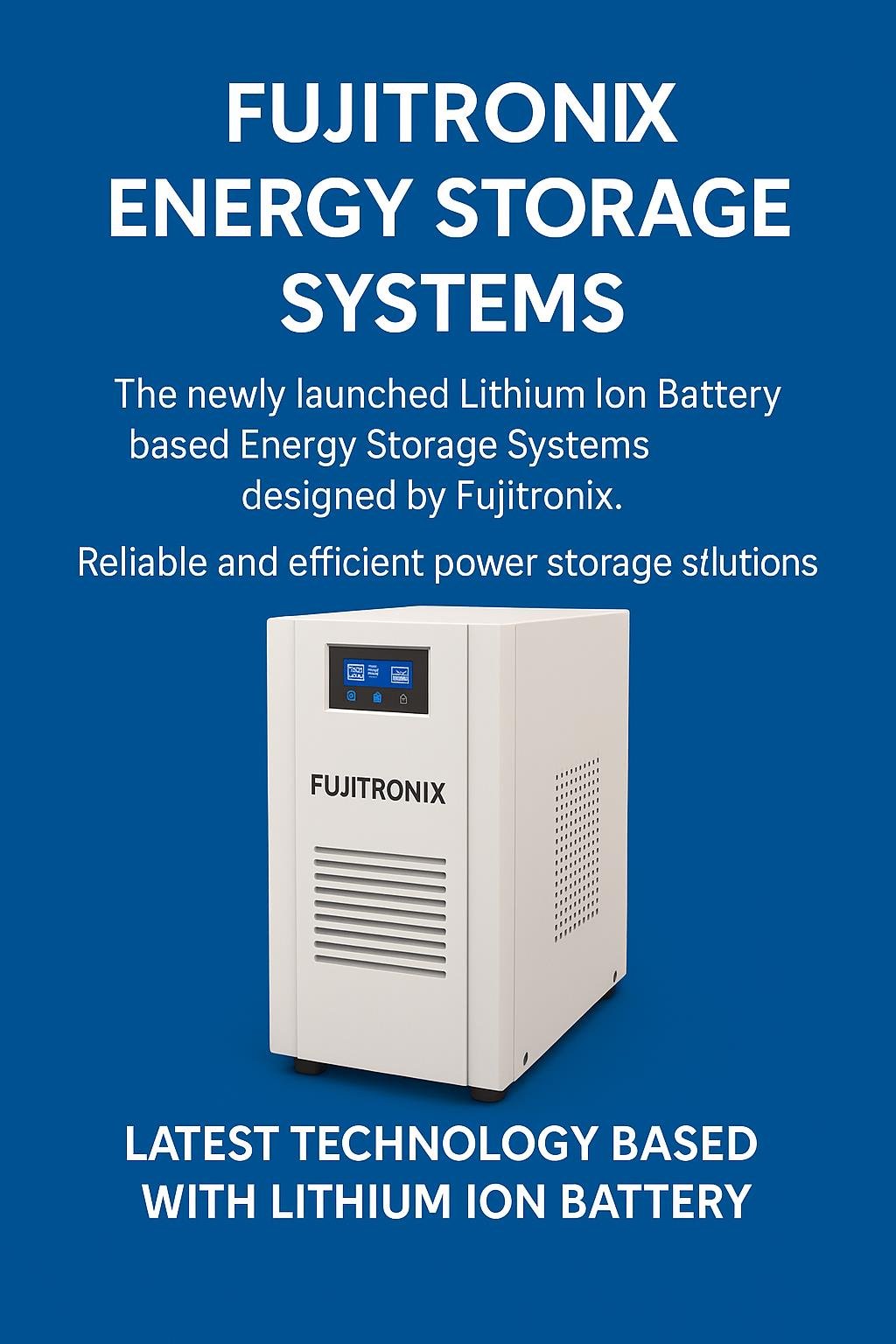
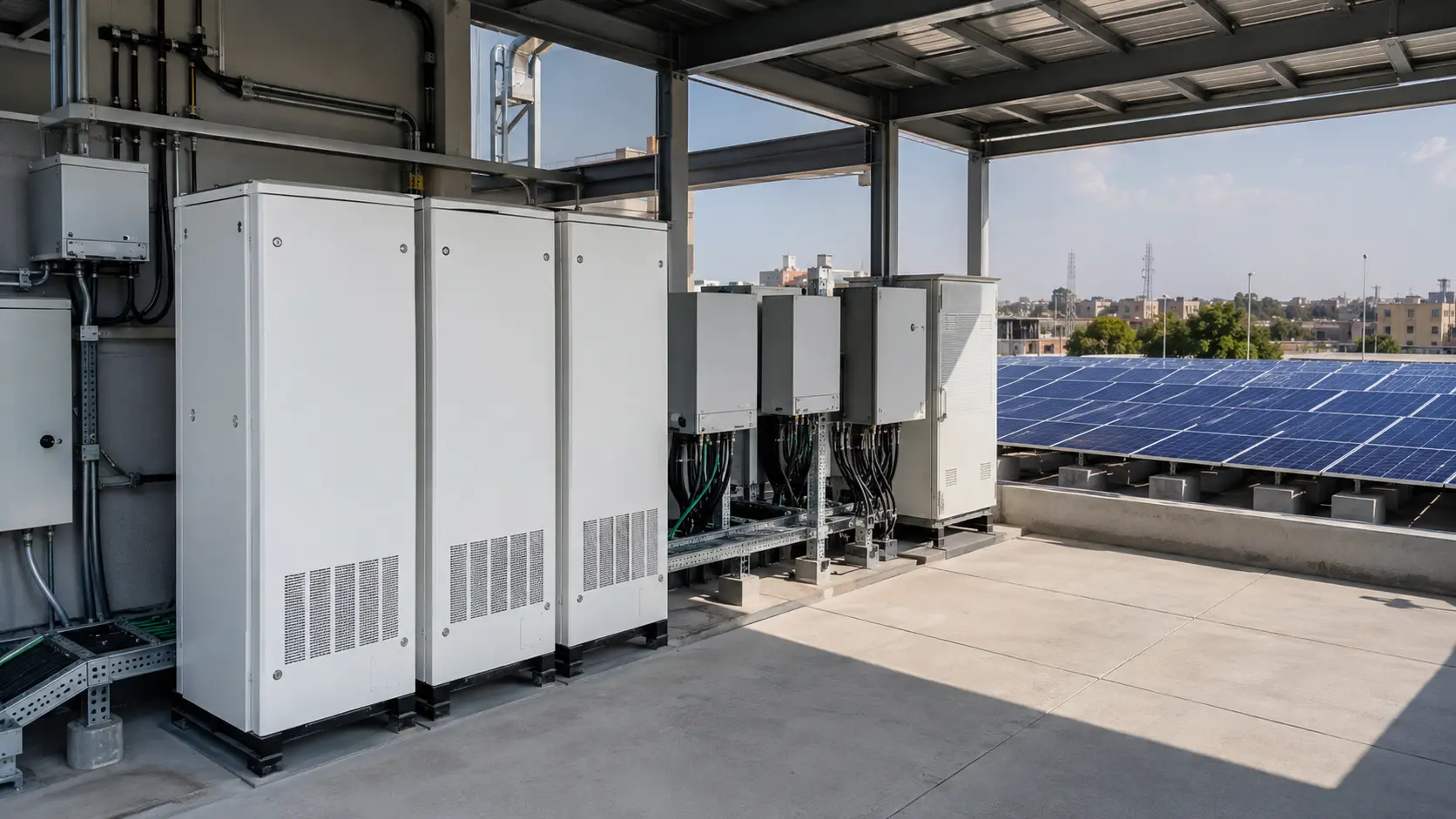
Application visuals explain the electrical environment. Fujitronix product and factory material is identified separately so buyers can easily see what comes directly from the company.
Frequently asked questions
Clear answers before you shortlist a system.
Practical answers for purchase teams, consultants, facility managers and business owners planning a serious enquiry.
01What should I check before buying bess manufacturer in india?+
Shortlist suppliers on BMS architecture, inverter/PCS compatibility, protections, monitoring, published operating limits, cabinet and thermal design, commissioning support, documentation and service route.
02What is the difference between kW and kWh in an ESS?+
kW is the instantaneous power the system can deliver; kWh is stored energy. A reliable design must satisfy both the peak load and the required duration.
03Can an ESS be charged from solar?+
Fujitronix publishes solar-ready ESS configurations and MPPT compatibility on relevant models. The final solar and inverter architecture should be checked as one system.
04Why is LiFePO4 used for inverter and ESS applications?+
LiFePO4 is widely chosen for its cycle-life, stable chemistry and high usable energy density. Fujitronix publishes LiFePO4 on its current 5–30 kWh ESS range.
05What should I send Fujitronix for a faster bess manufacturer in india recommendation?+
Share the critical-load list, peak kW, required hours, daily cycling expectation, grid/solar/hybrid charging source, inverter preference, installation location, monitoring need and whether future capacity expansion is planned.
06Can bess manufacturer in india be selected only from price or nominal rating?+
Not reliably. Shortlist suppliers on BMS architecture, inverter/PCS compatibility, protections, monitoring, published operating limits, cabinet and thermal design, commissioning support, documentation and service route. A comparable proposal should state the assumed load, topology, included battery or accessories, installation scope and the conditions used for sizing.
07What should be verified during installation or commissioning of bess manufacturer in india?+
A lithium ESS is a battery, inverter and controls system installed into a real electrical environment. Battery location, BMS communication, protection, inverter compatibility, solar / grid interface, ambient temperature, isolation and service access should be planned together. The exact commissioning checklist should follow the selected product documentation and project scope.
08Does Fujitronix support installation and after-sales service for bess manufacturer in india?+
Yes. Fujitronix offers consultation, installation, operator training, maintenance, battery replacement, upgrades, emergency support, and comprehensive or non-comprehensive AMC options. Final coverage, response and inclusions depend on the product, site and agreed commercial scope.
Need help choosing?