
Purpose
Voltage regulationA stabilizer corrects available mains voltage; it does not provide battery backup during an outage.Servo stabilizer / Voltage conditioning
Servo Stabilizer Manufacturer in India
Fujitronix manufactures power-conditioning systems in India, with servo stabilizer configurations available from 5 kVA through 500 kVA classes.
01Automatic voltage regulation
02Single & three-phase options
03Air-cooled formats
04Oil-cooled formats
Manufacturer check
Engineering and manufacturing are part of the same evaluation.
Fujitronix lists its manufacturing unit in Pune, Maharashtra and its North India office in Gurugram, Haryana. Manufacturer shortlisting should also verify published technical data, application fit, testing, commissioning scope and lifecycle service.
Request technical sizingServo voltage stabilizer
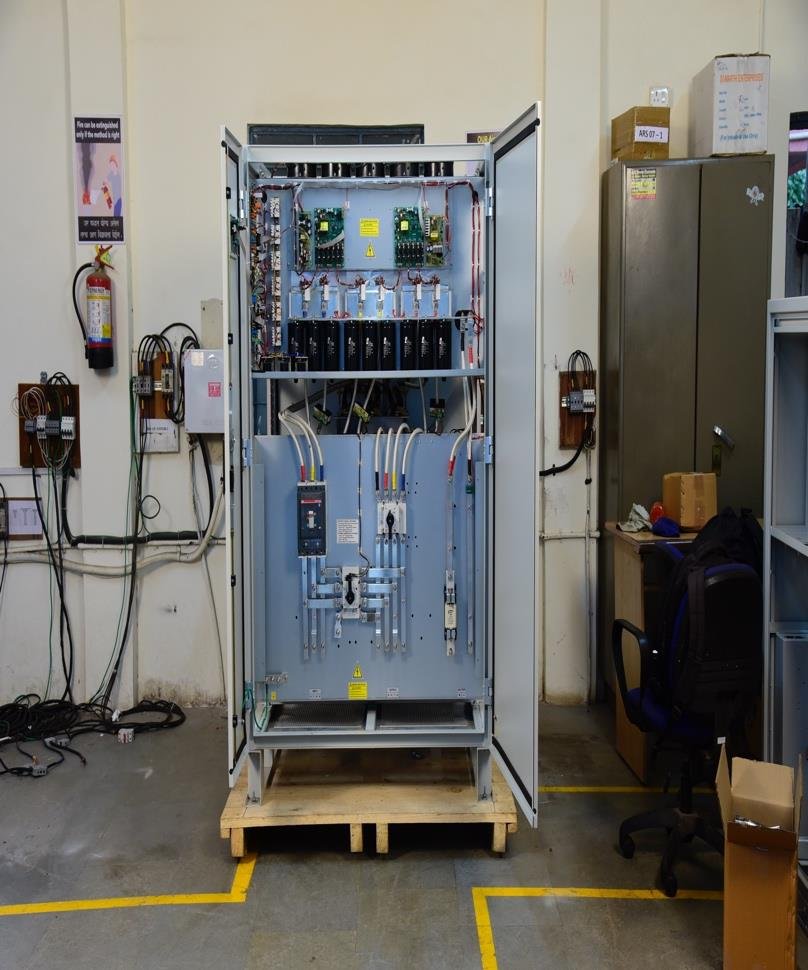
Fujitronix power-conditioning cabinet · Company photographKey facts
Key facts at a glance.
Range
5–500 kVACurrent Fujitronix information presents multiple ratings and custom input-voltage options.Phase
Single / three phaseThe selected phase must match the supply and protected equipment.Cooling
Air / oil cooledCooling depends on rating, duty, ambient temperature and installation environment.Start with the requirement
A stabilizer manufacturer should size against the site’s real voltage window.
Fujitronix manufactures power-conditioning systems in India, with servo stabilizer configurations available from 5 kVA through 500 kVA classes.
How to select
Choose the right system before you choose the rating.
A servo voltage stabilizer addresses unstable incoming voltage while mains power is available; it is not a battery backup. Fujitronix publishes customised input-voltage options, regulated output and air- or oil-cooled configurations across a broad capacity range.
- Connected kVA
- Single or three phase
- Site input-voltage range
- Required regulated output
- Load type and starting demand
- Cooling and installation environment
Commercial selection
What changes the final configuration and quote?
Evaluate the proposed input range, regulated output, phase, load kVA, motor starting allowance, cooling, protections, enclosure, testing and service support. Custom input ranges should be documented in the final proposal.
System operation
Size from measured site voltage—not the normal utility value.
Record the lowest and highest incoming voltage during real operating periods and note phase imbalance where relevant. The stabilizer must be able to regulate within that input window while carrying the actual load. A wider correction range can change current, transformer design, cooling and price, so it should be written into every quotation used for comparison.
Lifecycle planning
Thermal management and moving parts need planned attention.
Servo systems regulate repeatedly as the supply changes. Inspection should cover contacts, carbon brushes or drive components where applicable, transformer condition, control response, cooling, protection, connections and output accuracy. Oil-cooled and air-cooled systems have different site and maintenance needs; follow the selected model's service schedule.
Site planning
Installation planning for servo stabilizer manufacturer.
Servo stabilizer selection should start with measured incoming-voltage behaviour and the actual protected load. Installation planning then covers phase, cable and protection sizing, cooling, ventilation, service clearance and a safe bypass / isolation approach where required.
- Measured input-voltage window
- Connected and starting kVA
- Phase / imbalance conditions
- Cooling and ventilation
- Protection and isolation
- Regulated-output verification
RFQ checklist
What to send before requesting a servo stabilizer manufacturer proposal.
Share connected kVA, single/three phase, measured minimum and maximum site voltage, desired regulated output, motor/inrush loads, duty cycle, installation environment, cooling preference and site location.
Fujitronix approach
A useful proposal should answer more than capacity.
Fujitronix combines requirement review, product selection, manufacturing and lifecycle service. For a useful proposal, share the load schedule, phase, backup objective, site conditions and any monitoring, bypass, battery or integration requirement. The quotation should clearly state the recommended system and what is included.
Buyer & engineering checklist
Four decisions that shape the servo stabilizer manufacturer proposal.
Clear answers at the enquiry stage reduce incorrect sizing, missing accessories and price comparisons between unlike systems.
What is the real input-voltage range?
Use measured minimum and maximum site voltage, not an assumption based on area.
How much capacity is needed?
Start with connected kVA, load type, starting demand and a sensible operating margin.
Air cooled or oil cooled?
Choose from duty, rating, ambient temperature, ventilation, maintenance and installation location.
What should the quote state?
Input range, regulated output, phase, kVA, cooling, protections, enclosure and installation scope.
Avoid weak specifications
Common mistakes that lead to the wrong quotation.
- 01Expecting outage backup from a stabilizer
- 02Quoting without measured input voltage
- 03Ignoring motor or compressor starting demand
- 04Comparing prices with different correction ranges
Product + manufacturing evidence
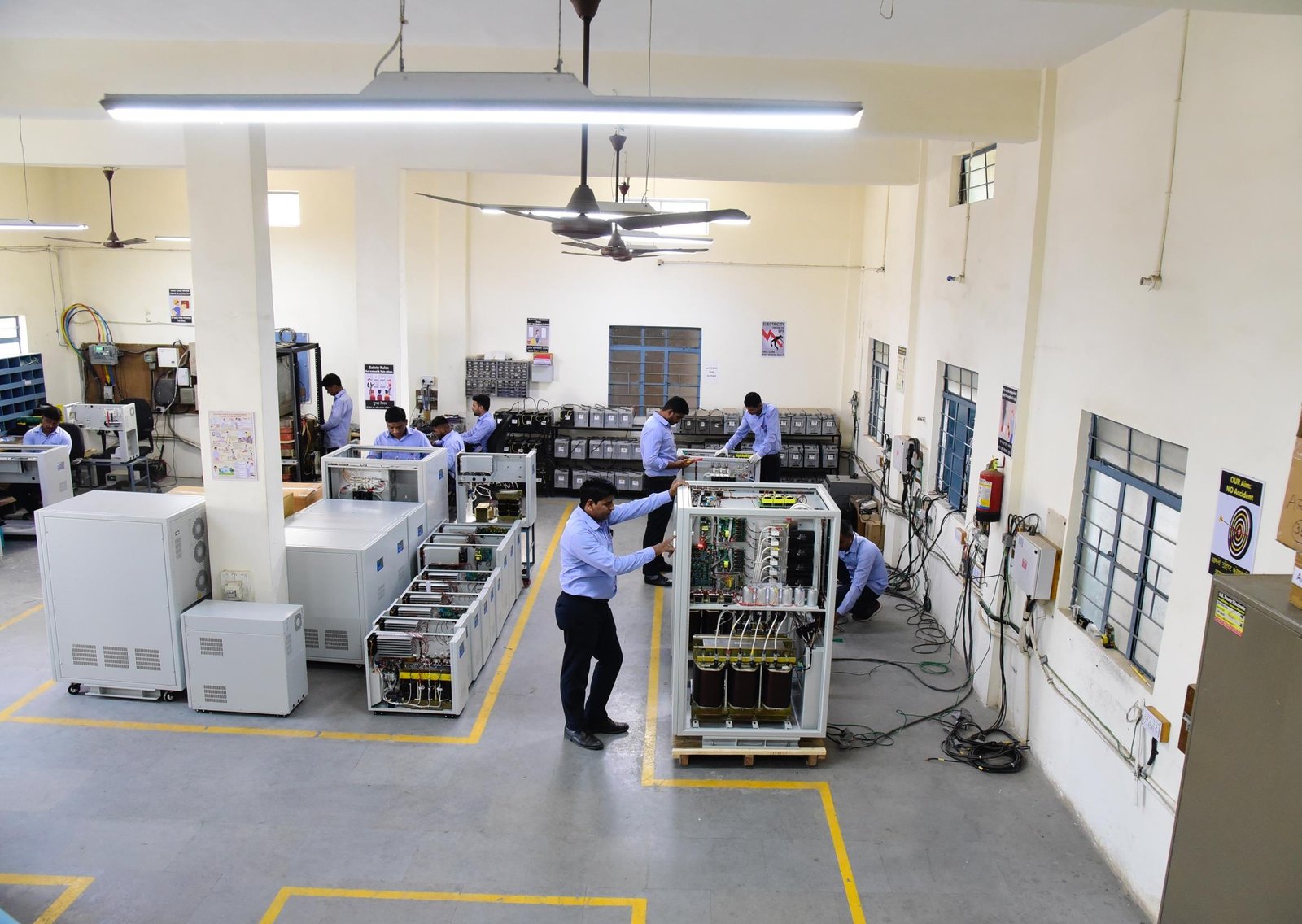
A closer look at the system and the people who build it.
The second image shows the Pune manufacturing or power-electronics environment behind the product range.
Application areas
Where this architecture fits.
Final selection depends on site electrical conditions and the connected load.
01Industrial machinery
02Commercial facilities
03Medical / lab equipment
04CNC and automation
05IT infrastructure
06Mixed electrical loads
Application + product images
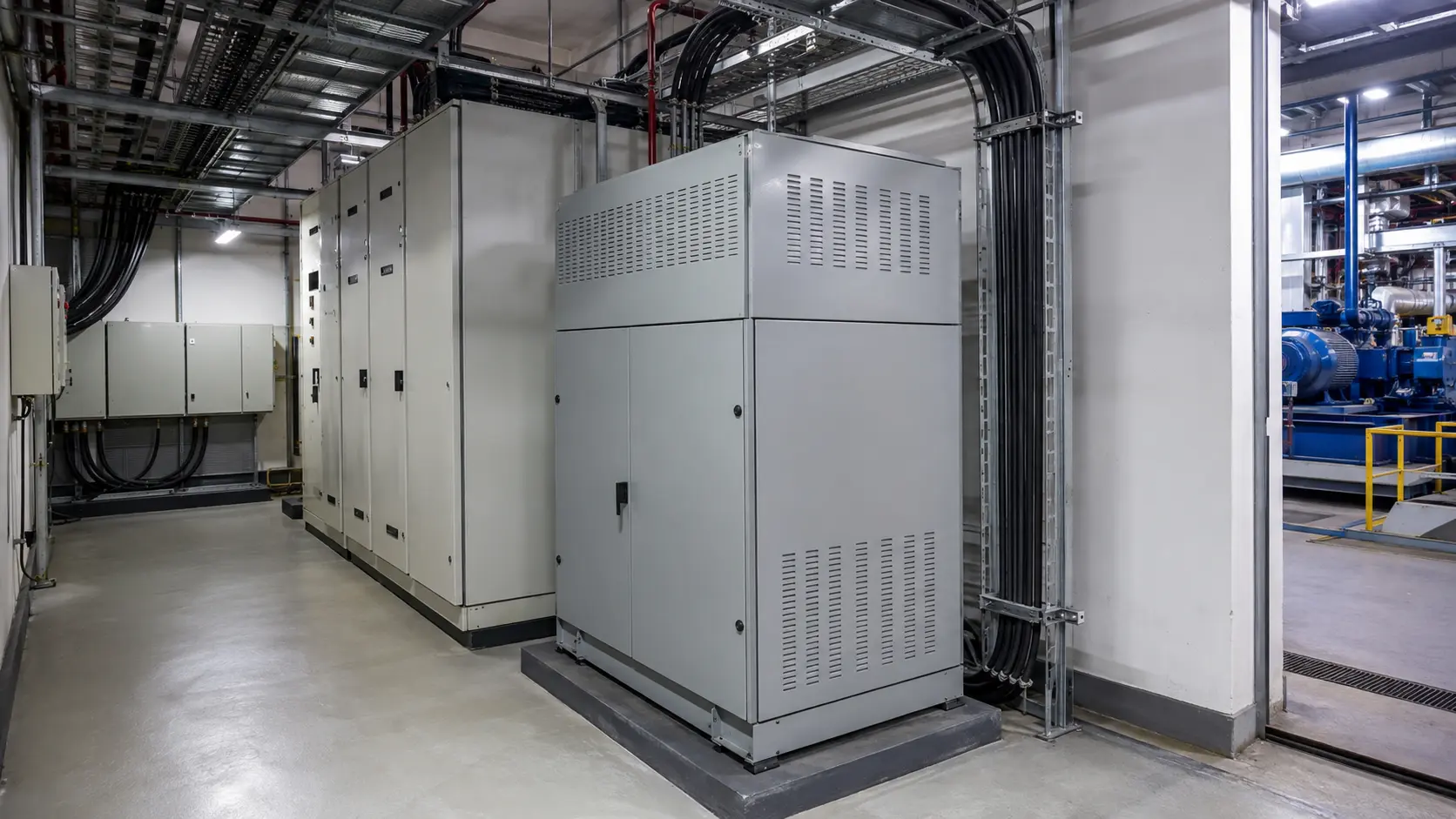
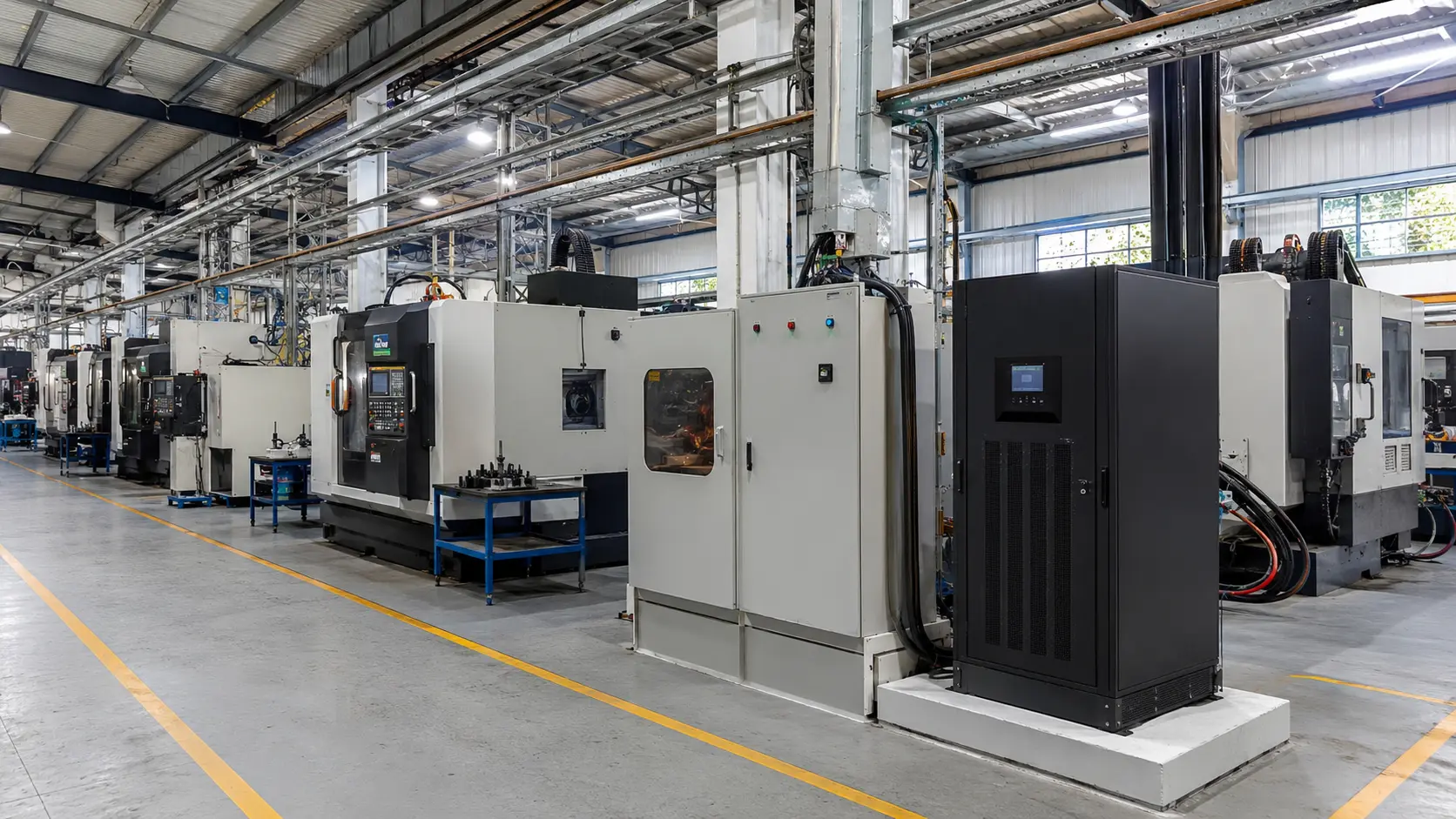
See where the requirement appears in the real world.
Application visuals explain the electrical environment. Fujitronix product and factory material is identified separately so buyers can easily see what comes directly from the company.
Frequently asked questions
Clear answers before you shortlist a system.
Practical answers for purchase teams, consultants, facility managers and business owners planning a serious enquiry.
01What should I check before buying servo stabilizer manufacturer?+
Evaluate the proposed input range, regulated output, phase, load kVA, motor starting allowance, cooling, protections, enclosure, testing and service support. Custom input ranges should be documented in the final proposal.
02Does a servo stabilizer provide backup during a power cut?+
No. A servo stabilizer regulates available mains voltage. A UPS, inverter or energy storage system is required when the objective is power during an outage.
03How do I choose stabilizer capacity?+
Use connected load, phase, input-voltage range, required output regulation, load characteristics and headroom. Motor loads may need additional consideration for starting demand.
04Does Fujitronix offer oil-cooled servo stabilizers?+
Yes. Air-cooled and oil-cooled options are available on applicable ratings.
05What should I send Fujitronix for a faster servo stabilizer manufacturer recommendation?+
Share connected kVA, single/three phase, measured minimum and maximum site voltage, desired regulated output, motor/inrush loads, duty cycle, installation environment, cooling preference and site location.
06Can servo stabilizer manufacturer be selected only from price or nominal rating?+
Not reliably. Evaluate the proposed input range, regulated output, phase, load kVA, motor starting allowance, cooling, protections, enclosure, testing and service support. Custom input ranges should be documented in the final proposal. A comparable proposal should state the assumed load, topology, included battery or accessories, installation scope and the conditions used for sizing.
07What should be verified during installation or commissioning of servo stabilizer manufacturer?+
Servo stabilizer selection should start with measured incoming-voltage behaviour and the actual protected load. Installation planning then covers phase, cable and protection sizing, cooling, ventilation, service clearance and a safe bypass / isolation approach where required. The exact commissioning checklist should follow the selected product documentation and project scope.
08Does Fujitronix support installation and after-sales service for servo stabilizer manufacturer?+
Yes. Fujitronix offers consultation, installation, operator training, maintenance, battery replacement, upgrades, emergency support, and comprehensive or non-comprehensive AMC options. Final coverage, response and inclusions depend on the product, site and agreed commercial scope.
Need help choosing?